Office & Staff Photography Guide
To ensure we capture the company and team at their very best, here’s a short guide on how to prepare and what we’ll need on the day.

1. Preparing the Space
The biggest difference between an average shoot and a great one is preparation.
Declutter thoroughly – Clear desks of coffee cups, water bottles, loose paperwork, coats, bags, and cables where possible.
Remove temporary signage – Take down printed notices, paper signs, Blu Tack, or anything taped to walls or glass.
Tidy meeting rooms and breakout areas – Clean tables, organise chairs neatly, and remove excess clutter.
Clean windows and glass – This helps avoid visible handprints and improves light quality.
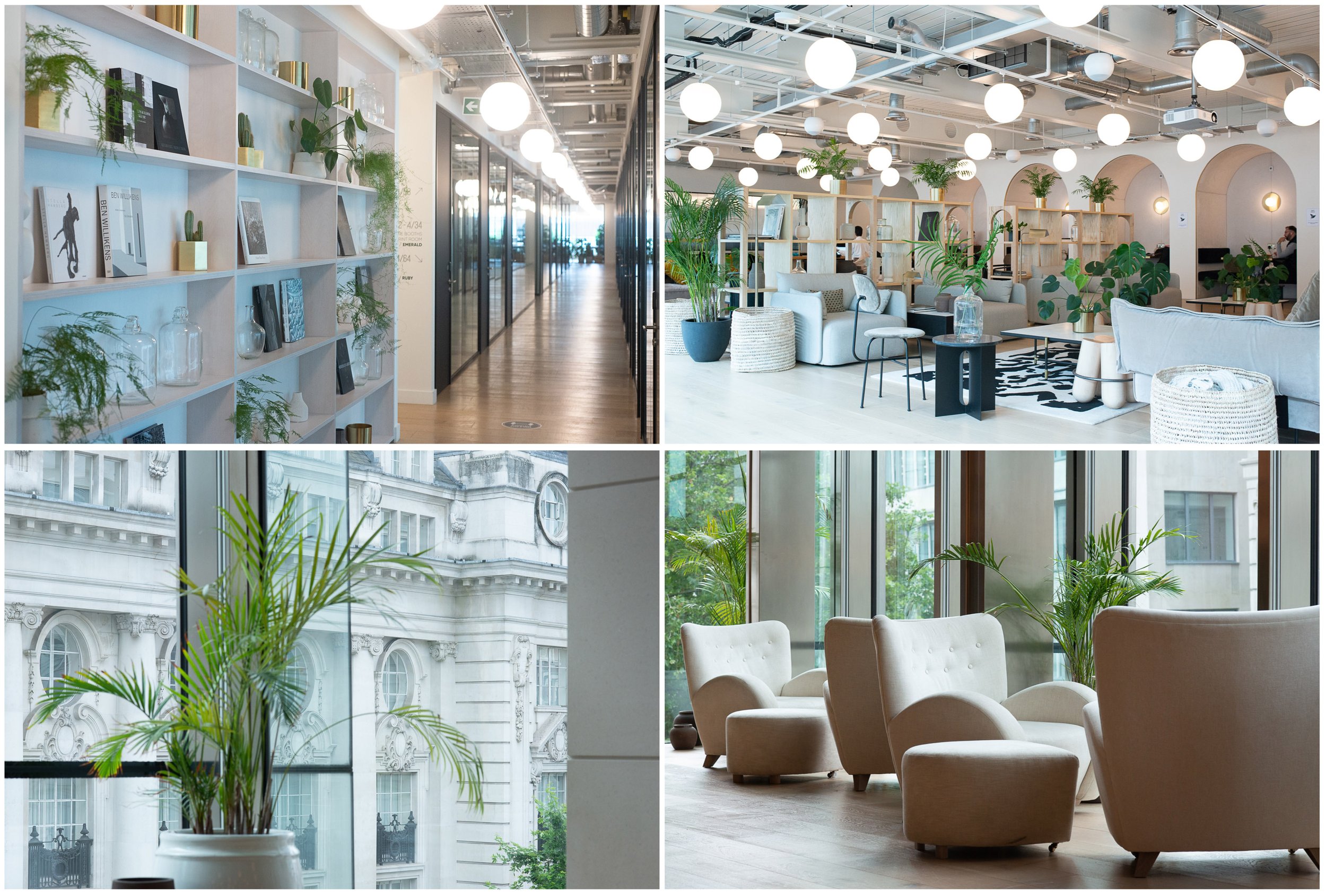
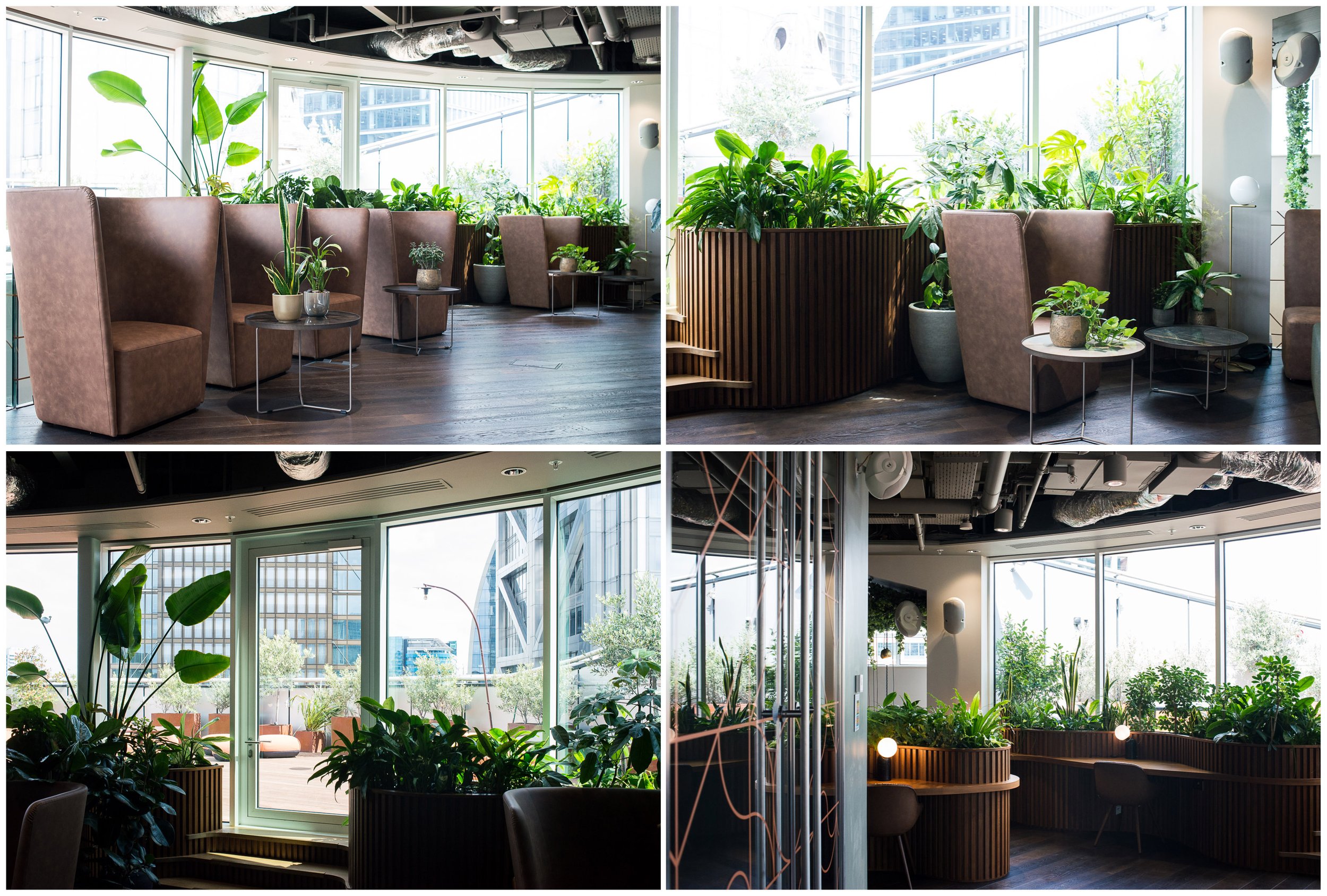
Add greenery where possible – Plants can really elevate a space and make it feel fresh and professional.
The aim is to make the office look as polished, modern and professional as possible — while still feeling authentic and lived-in.

2. Locations To Use
Ideally if we can photograph in:
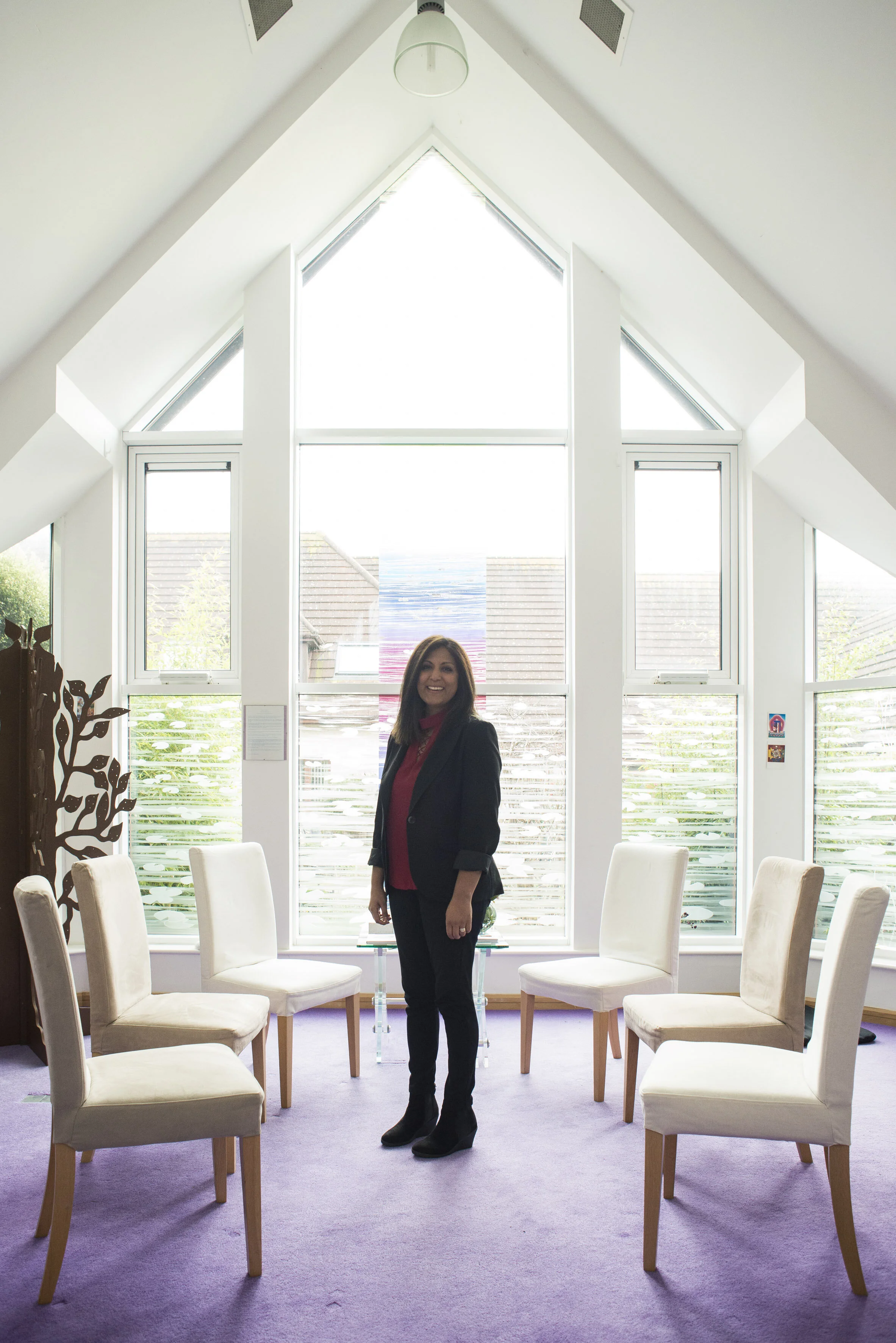
A bright meeting room with good natural light
A breakout or collaboration space
Open-plan desk areas
Any standout architectural features or branded spaces
Spaces where a small group can comfortably sit or stand together and interact naturally.

3. People & Participation
It works best to have a core group of team members available throughout the day who:
Represent a mix of roles, backgrounds and seniority
Are comfortable being photographed
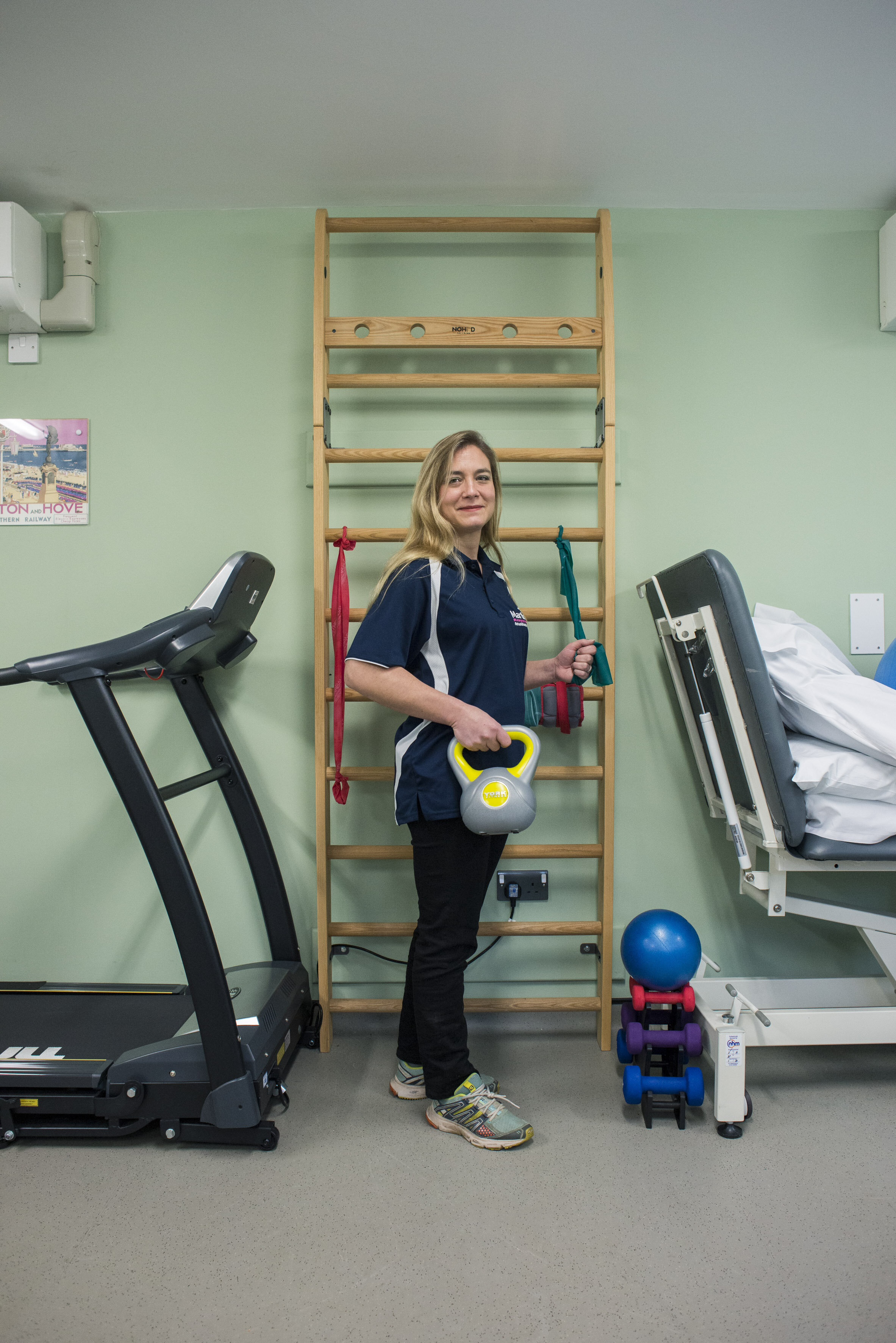
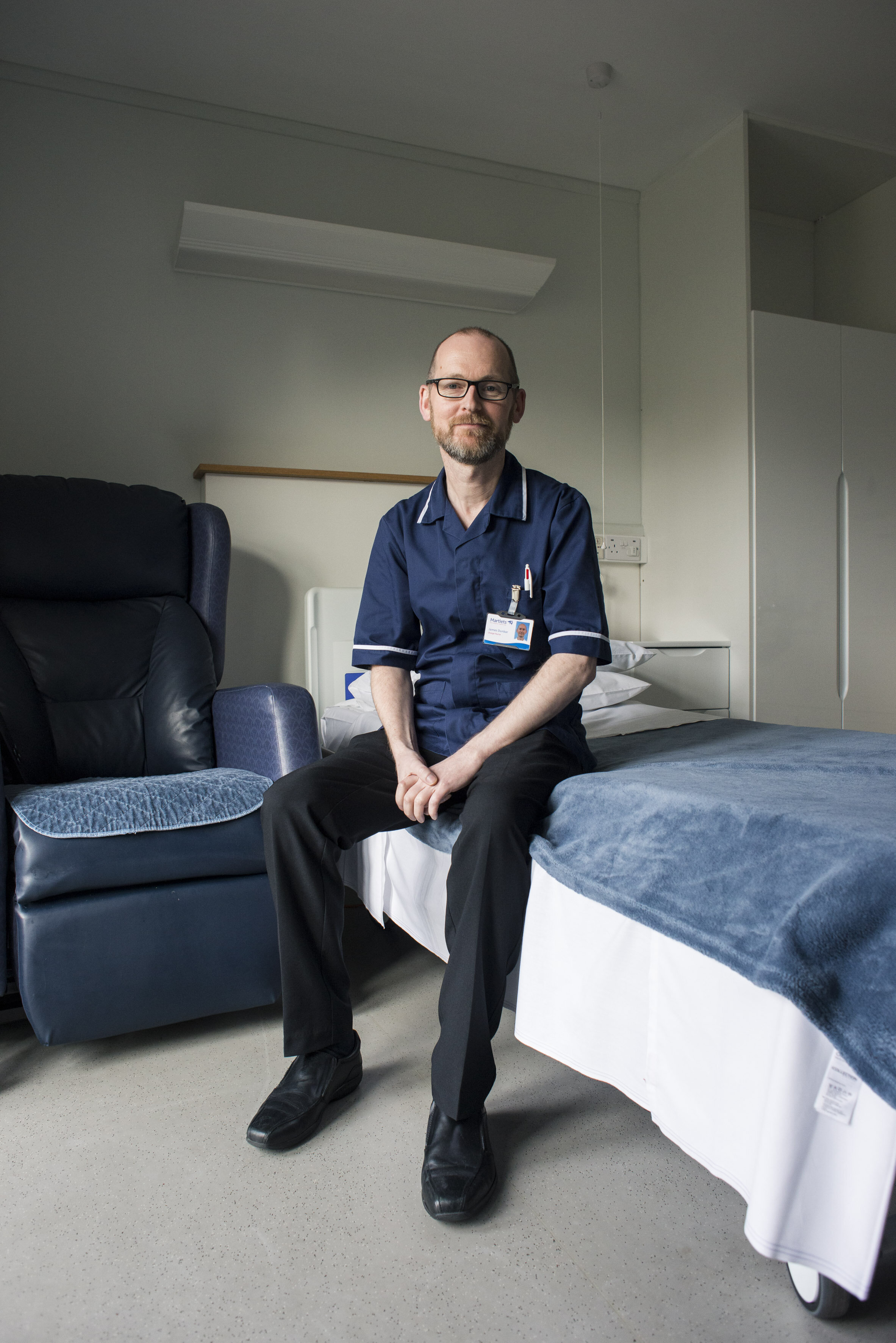
Are dressed in smart, professional attire that reflects the company brand
People and groups can be rotated in and out for short 10-minute sessions so it doesn’t feel repetitive and avoiding photographing the same combinations of people repeatedly.
If possible, having a few additional staff members available at set times for wider team shots is also helpful.

4. Types of Scenes To Capture
The goal is to create a natural, confident representation of the workplace. Typical setups include:
Small team meetings around a table
Informal conversations in breakout spaces
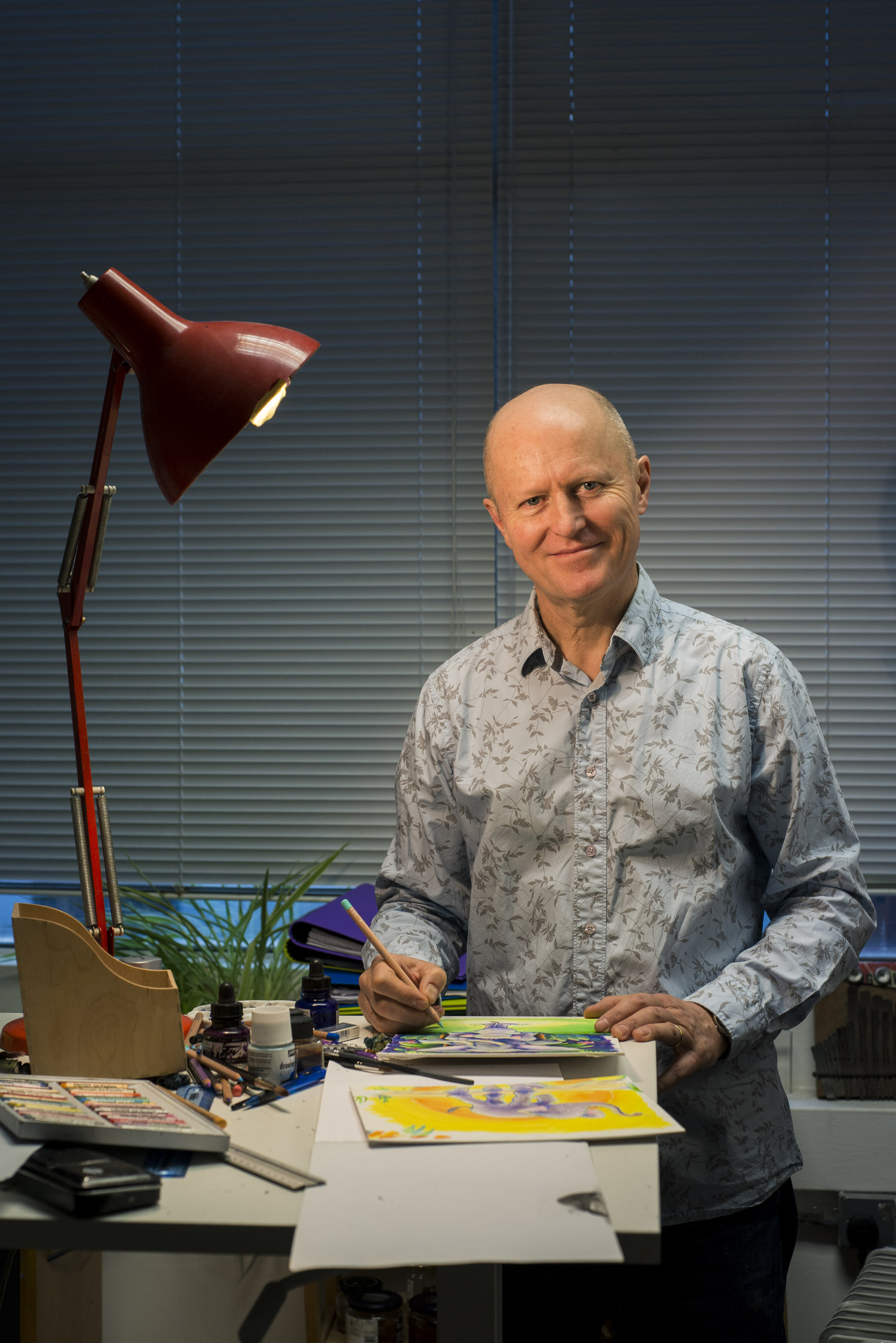
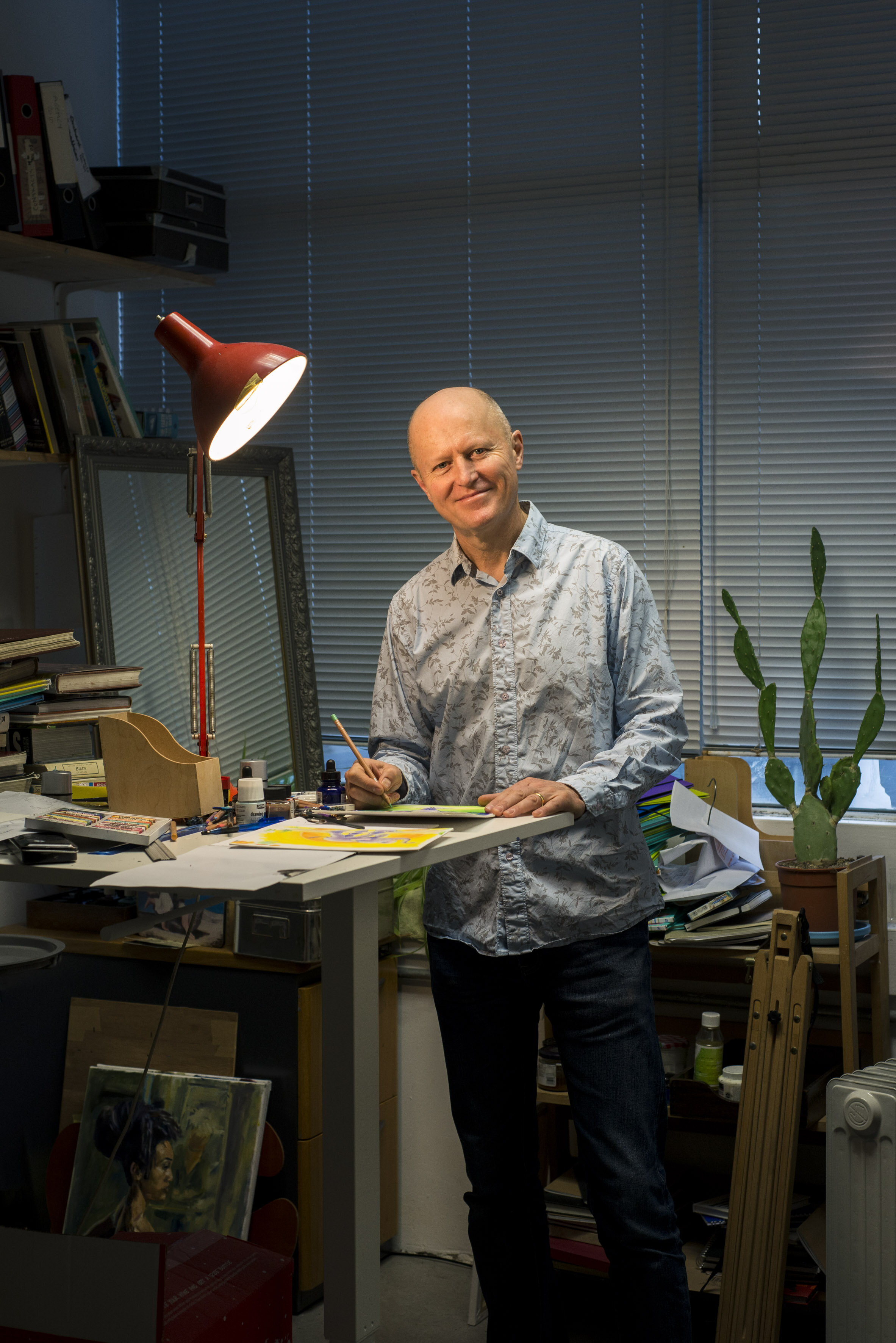
Individuals working at desks
Collaborative moments (reviewing documents, looking at screens, whiteboard discussions)
Light candid moments that show culture and personality
Everything will be lightly directed but designed to feel natural and authentic.

5. General Notes
Encourage staff to wear neutral or complementary tones (avoiding heavy patterns or large logos unless branded).
Keep diaries flexible so we can pull people for short periods.
If there are any areas that should not be photographed (confidential material, restricted spaces), it’s worth flagging these in advance.